
The Lost Art of Touch: Why Palpation and Acupressure Matter More Than Ever in an Acupuncture Clinic
In the modern medical landscape, a quiet sterile distance has formed between practitioner and patient. Standard medical visits are dominated by electronic health records, diagnostic imaging, and pharmaceutical scripts. Somewhere in this rush for efficiency, the profound therapeutic power of physical touch has been lost.
As acupuncturists, we hold the keys to preserving this ancient art. While our needles are powerful tools for moving Qi, relying on them exclusively limits the depth of our clinical success. Healing can begin long before the needle pierces the skin—it begins with the intentional contact of palpation and acupressure.

Restoring the Bridge of Connection
Palpation is not merely a diagnostic procedure; it is an active, dynamic dialogue with the patient’s body. When we palpate the channels, explore the abdomen, or feel for Ashi points, we gather real-time physiological data that no imaging scan can replicate. We detect subtle changes in temperature, tissue resistance, moisture, and emotional tension held within the musculature.
Beyond diagnostics, touch serves as a vital bridge of safety and trust. In a world where many individuals suffer from touch deprivation, a practitioner’s confident, compassionate hand communicates presence. It signals to the patient's nervous system that they are seen, heard, and cared for, instantly initiating a shift out of sympathetic fight-or-flight and into the parasympathetic state required for deep recovery.
Moving Beyond the Needle
It is easy to fall into a routine of doing a quick intake, rapid tongue and pulse diagnosis, and then swiftly inserting needles. However, treating the body as a pincushion ignores the multi-dimensional nature of East Asian medicine.
Needles are excellent conductors of energy, but they lack the warmth,
adaptability, and emotional resonance of human hands.
Integrating robust palpation and manual therapy into every treatment enhances your clinical outcomes. It allows you to customize point selection with pinpoint accuracy based on myofascial and structural realities, rather than just theoretical textbook locations. Furthermore, teaching your patients simple acupressure techniques empowers them to take their healing home, extending the life of your treatments.
The Therapeutic Power of Intentional Contact
Human touch triggers a cascade of healing mechanisms. From a physiological standpoint, applying focused manual pressure through acupressure and palpation:
Stimulates local blood flow and lymphatic drainage
Promotes the release of endorphins and oxytocin
Increases elasticity in restricted fascia and around tight muscle knots
When we use our hands, we also engage the energetic body directly. Acupressure allows us to soften a point, assess its emptiness or fullness, and prepare the pathway. Touching a point manually before needling gently awakens the Qi, making the needle insertion significantly less shocking to the patient.
Preserving Our Medicine
The future of acupuncture relies on our willingness to stay grounded in the physical reality of the human body. By recommitting to the arts of palpation and acupressure, we honor the roots of our medicine and offer our clients the profound, embodied healing they truly seek. Step away from the needles for just a few minutes longer during your next treatment, trust your hands, and let your touch do the healing.
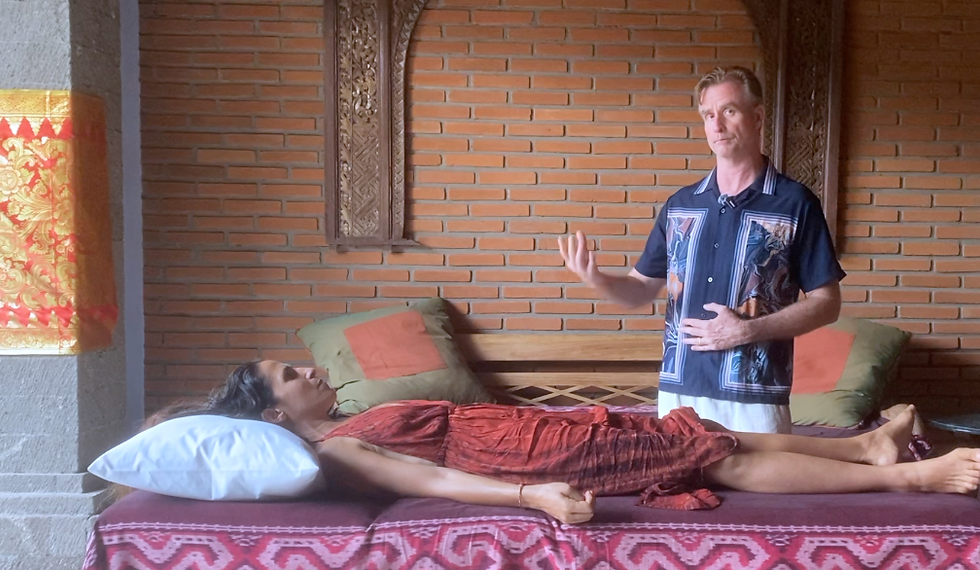
In my live courses I teach how to integrate distal needling with hands-on touch using palpation, acupressure, movement, and heart. Check out my live teaching schedule at the link below.
Comments